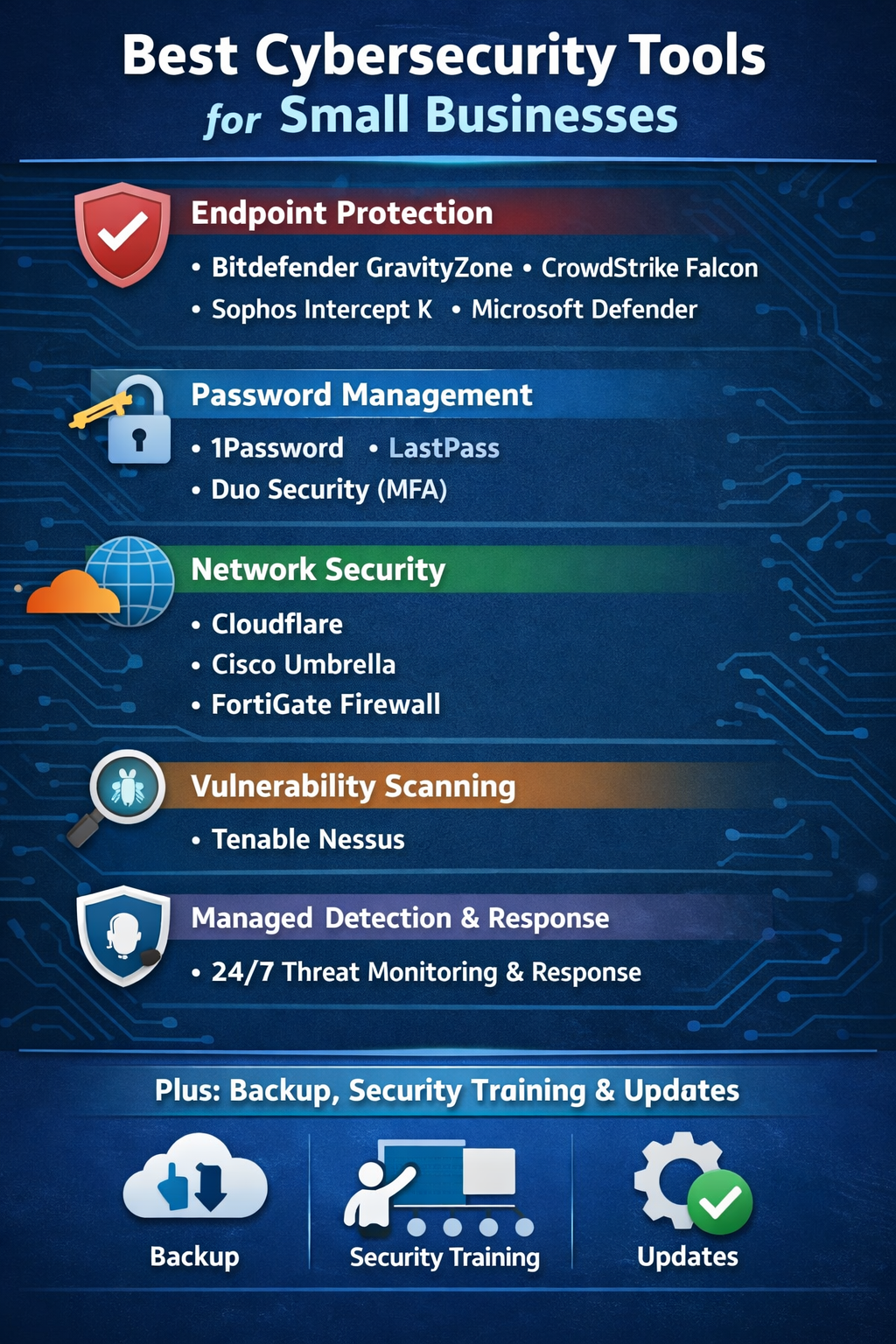
Best Cybersecurity Tools for Small Businesses is an essential topic in today’s digital world. As cyber threats evolve rapidly, individuals and businesses must understand how to defend against modern attacks. This in-depth guide explores key concepts, risks, prevention strategies, and best practices to help you stay secure.
Why This Topic Matters in 2026
With increased cloud adoption, remote work, artificial intelligence, and digital transformation, cyber risks are expanding across every industry. Attackers are more sophisticated, using automation and AI to exploit vulnerabilities faster than ever before.
Understanding the Core Concepts
Cybersecurity revolves around protecting data confidentiality, integrity, and availability. Effective security combines technology, policies, monitoring, and user awareness. No single tool can eliminate risk; layered defense is critical.
Common Threat Vectors
- Phishing and social engineering attacks
- Malware and ransomware infections
- Credential theft and password attacks
- Cloud misconfigurations
- Insider threats
- Supply chain compromises
Step-by-Step Prevention Strategy
- Implement strong authentication (MFA, password managers)
- Keep systems updated and patched regularly
- Encrypt sensitive data at rest and in transit
- Monitor logs and suspicious activity
- Train employees on security awareness
- Perform regular security audits and vulnerability scans
Advanced Protection Measures
Organizations should adopt zero trust principles, endpoint detection and response (EDR), SIEM monitoring, and network segmentation. Small businesses can significantly improve protection by enabling basic security controls consistently.
Real-World Impact
Data breaches cost organizations millions annually in direct losses, downtime, legal penalties, and reputational damage. Individuals may suffer identity theft, financial fraud, and long-term credit impact.
Building a Security-First Culture
Technology alone cannot stop cybercrime. Building a culture of awareness and accountability reduces human error, which remains one of the biggest attack vectors.
Future Trends
Cybersecurity trends include AI-driven detection, automation, threat intelligence sharing, zero trust architecture, and stronger regulatory compliance requirements worldwide.
Final Thoughts
Best Cybersecurity Tools for Small Businesses is not just an IT concern—it is a business and personal necessity. By implementing layered security, staying informed about emerging threats, and continuously improving defenses, you can significantly reduce cyber risk.

30 thoughts on “Best Cybersecurity Tools for Small Businesses”
Comments are closed.